
Florida roofing codes are not just technical regulations buried in a building manual. They are the direct result of catastrophic storm failures, insurance losses, and structural damage observed over decades. Every update to the Florida Building Code has been shaped by real hurricanes and real consequences.
For homeowners, understanding Florida roofing codes is not optional. It directly impacts your roof’s lifespan, your insurance coverage, and your home’s ability to survive the next major storm. At Ridgemax Roofing, we’ve seen firsthand how proper code-compliant installation protects homes — and how shortcuts lead to expensive repairs.
Let’s break down what Florida roofing codes require, what changed after major hurricanes, and what it means for your home today.
Why Florida Roofing Codes Are So Strict
Florida faces some of the harshest roofing conditions in the country. High winds, wind-driven rain, intense UV exposure, salt air, and extreme humidity all accelerate roof deterioration and increase failure risk during storms.
Because of this, Florida roofing codes focus heavily on wind uplift resistance, structural deck attachment, secondary water barriers, and strict inspection standards. Roofing here isn’t just about shingles — it’s about engineered systems designed to withstand hurricane-force conditions.
The difference between Florida standards and those in other states is significant. A shingle system installed in a low-wind state may look identical, but the fastening pattern, underlayment requirements, and inspection process in Florida are far more demanding.
Wind Uplift Ratings: Where Roof Failures Begin
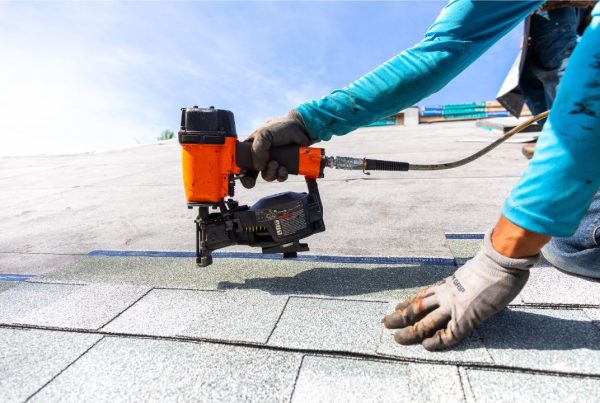
Wind uplift is one of the most destructive forces during a hurricane. As wind moves across the roof surface, it creates suction that pulls materials upward. When shingles are improperly fastened or not rated for the wind zone, they can detach quickly — often starting at the edges.
During Hurricane Irma, many homeowners discovered that two roofs with the same shingles performed very differently. In neighborhoods across Florida, roofs installed with enhanced fastening patterns and proper wind-rated systems suffered minimal damage. Nearby homes with improper nail placement or fewer fasteners experienced widespread shingle loss. In some cases, that initial failure led to full roof replacement.
The takeaway is clear: wind rating and proper installation are not minor details. They are the difference between minor repairs and catastrophic damage. Ridgemax Roofing ensures every roofing system is installed according to Florida’s wind zone requirements and manufacturer specifications.
How Hurricane Andrew Changed Everything
Hurricane Andrew in 1992 exposed massive weaknesses in Florida’s construction practices. Entire neighborhoods experienced roof failures, revealing poor fastening methods and inconsistent inspections.
The aftermath led to a complete overhaul of roofing regulations. Florida established stricter statewide building codes, increased inspection enforcement, and implemented stronger fastening standards. These changes dramatically improved roof performance in later storms.
Today’s roofing requirements exist because of what Andrew revealed. Ignoring modern code standards essentially reintroduces the vulnerabilities that caused widespread destruction decades ago.
The 2004–2005 Storm Seasons and the Rise of Secondary Protection
The intense hurricane seasons of 2004 and 2005 exposed another weak point: once shingles were lost, many homes suffered severe interior water damage because nothing sealed the roof deck underneath.
In response, Florida placed greater emphasis on secondary water barriers and improved roof deck attachment standards. Homes that had sealed roof decks or upgraded underlayment systems fared significantly better in heavy rain conditions, even when outer roofing materials were compromised.
In practical terms, this means that modern code-compliant roofs are designed with backup protection. Even if shingles are damaged, a properly sealed deck can prevent water from immediately entering the home and destroying ceilings, insulation, and drywall.
Ridgemax Roofing installs advanced underlayment systems that provide this critical secondary layer of defense.
Roof Deck Attachment: The Foundation of Storm Resistance
Your roof deck is the structural surface beneath your roofing material. If it fails, everything above it fails.
Older homes often do not meet current deck attachment requirements. During re-roof projects, updated codes may require re-nailing the deck with tighter spacing and larger fasteners.
Many homeowners only realize this requirement when applying for insurance renewal or wind mitigation inspections. If deck attachment does not meet current standards, upgrades may be necessary to qualify for coverage or premium discounts.
By evaluating roof deck attachment during inspections, Ridgemax Roofing ensures homeowners are not caught off guard by compliance issues later.
Hurricane Irma and Modern Enforcement
Hurricane Irma reinforced a key reality: even strong codes fail if installation shortcuts are taken.
Post-Irma investigations revealed many roofing failures were linked to improper nail placement, insufficient edge fastening, or underlayment systems not fully adhered. As a result, enforcement tightened, inspections became more thorough, and documentation requirements increased.
Homes that were installed precisely to code standards consistently performed better than those where corners were cut. This highlighted the importance of not just meeting code on paper, but executing it properly during installation.
Ridgemax Roofing emphasizes strict compliance, thorough inspections, and detailed documentation to ensure each roof performs as designed.
The 25% Rule and Re-Roof Requirements
Florida’s 25% rule historically required full roof replacement if more than 25% of the roof area was damaged within a 12-month period. While recent legislative adjustments have affected how this rule is applied, code compliance remains central in determining whether partial repairs are sufficient.
In many cases, storm damage that exceeds 25% triggers the need to bring the entire roof system up to current Florida Building Code standards. This can mean upgrading fastening methods, underlayment systems, and other structural components.
For homeowners, this underscores the importance of evaluating long-term value rather than opting for minimal repairs that may not withstand future storms.
High Velocity Hurricane Zones (HVHZ)
In counties like Miami-Dade and Broward, roofing materials must meet High Velocity Hurricane Zone standards. These areas require enhanced impact resistance, strict product approvals, and specific installation procedures.
Using non-approved materials in HVHZ regions can result in failed inspections and insurance complications. Compliance requires both product knowledge and technical installation expertise.
Ridgemax Roofing stays current on HVHZ product approvals and ensures materials are properly rated for each project location.
How Roofing Codes Affect Insurance Costs
Florida insurers closely evaluate roofing systems during underwriting and renewal. Wind mitigation inspections can significantly reduce premiums when proper nail spacing, secondary water barriers, and approved materials are documented.
Homeowners who upgrade to modern code-compliant roofing systems often see improved insurability and lower risk classification. On the other hand, outdated or improperly installed roofs can lead to higher premiums or policy non-renewal.
Code compliance isn’t just structural protection — it’s financial protection.
Why Code Minimum May Not Be Enough
Florida roofing codes represent minimum safety standards. In high-risk areas, homeowners may benefit from going beyond minimum requirements by installing impact-resistant shingles, enhanced edge fastening systems, or upgraded underlayment membranes.
Homes that incorporate above-code upgrades often show improved performance during severe storms compared to those built strictly to minimum standards.
Ridgemax Roofing provides homeowners with both code-compliant and upgraded system options, allowing informed decisions based on risk tolerance and long-term goals.
The Bottom Line: Roofing Codes Are Written in Storm Damage

Every major hurricane in Florida has rewritten roofing standards. These codes are not arbitrary — they are based on structural failures observed under extreme conditions.
Homeowners who understand Florida roofing codes are better equipped to protect their homes, secure insurance coverage, and avoid devastating storm damage.
Ridgemax Roofing is committed to delivering roofing systems that meet or exceed Florida Building Code requirements. From wind uplift resistance to secondary water barriers and HVHZ compliance, our team ensures every roof is built for Florida’s toughest weather.
If you want a roof installed with precision, compliance, and long-term durability in mind, Ridgemax Roofing is here for all your roofing needs. Schedule a professional inspection today and make sure your home is truly storm-ready.