
Buying a home in Florida is an exciting step — sunshine, beaches, outdoor living, and year-round warmth are right around the corner. But before you make that offer, here’s a checklist for the one part of the home that matters more in Florida than almost anywhere else: the roof.
Florida’s climate is beautiful, but it’s also harsh. Intense heat, humidity, UV exposure, tropical storms, and hurricanes put enormous stress on roofing systems. A roof that might last 30+ years in other states can deteriorate much faster here. And if a roof is aging or damaged, you could face costly repairs, insurance issues, or even difficulty securing coverage at all.
At Ridgemax Roofing, we see firsthand how Florida’s weather affects homes — and what buyers overlook during walk-throughs. That’s why we created this simple, clear checklist to help you evaluate the roof before you commit to a home. With the right information, you can negotiate confidently, avoid hidden problems, and protect your investment.
Checklist for Understanding Florida’s Roofing Challenges
Florida’s climate creates a “perfect storm” for roof wear:
- Intense UV rays break down shingles and cause premature granule loss.
- Extreme heat can push roof temperatures over 150–180°F, drying out roofing materials and weakening adhesives.
- High humidity encourages mold, algae, and moisture buildup.
- Hurricanes and strong winds can lift shingles, break ridge caps, or cause hidden structural damage.
A roof that looks fine from a distance may be much closer to the end of its life than you think. That’s why buyer awareness — and a professional roofing inspection — is essential.
1. Check the Age of the Roof
The very first question to ask is simple: How old is the roof?
In Florida, most asphalt shingle roofs last about 15–20 years. Metal and tile roofs last longer, but even they can wear faster due to heat and storms.
Why it matters:
Many insurance companies require roofs to be under 15 years old for new policies. Older roofs often need a certified inspection to remain insurable.
What to ask for:
- Installation date
- Any past repairs or replacements
- Permit records
- Warranty information
If documentation is missing, a Ridgemax Roofing inspection can help estimate the roof’s actual age and condition.
2. Look for Visible Signs of Wear
Even from the ground, you can spot early warning signs:
- Missing, curling, or cracked shingles
- Granule loss (bald patches)
- Uneven or sagging areas
- Rusted or damaged flashing
- Soft spots that may indicate rot
Florida factor:
Small problems worsen quickly here due to heat, heavy rain, and moisture. A few lifted shingles today can turn into a leak tomorrow.
3. Look for Storm or Hurricane Damage
Florida roofs take a beating during storm season, and damage isn’t always obvious.
Common signs include:
- Lifted or creased shingles
- Impact marks from flying debris
- Damaged ridge caps
- Loose or missing flashing
- Roof decking soft spots
Even newer roofs can suffer hidden hurricane damage. If the home is in a storm-prone county, assume the roof has been tested by high winds. Moving forward on the checklist.
4. Identify the Roofing Material
Each roofing type behaves differently in Florida’s climate:
- Asphalt shingles: Affordable, common, but shorter lifespan here.
- Metal roofing: Excellent durability, storm resistance, and energy savings.
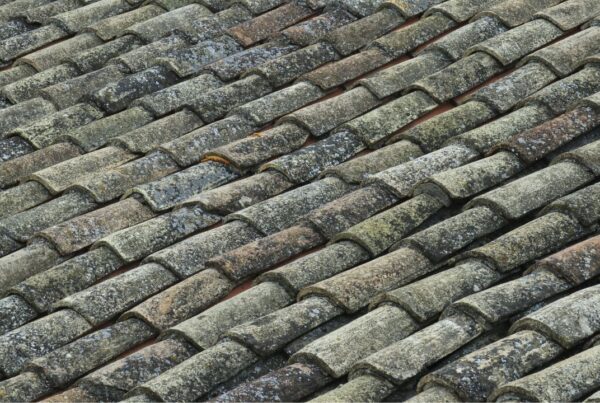
- Tile roofing: Very long lifespan, great for heat, but repairs can be costly.
- Flat roofs: Prone to ponding and membrane wear — be sure to check closely.
- Insurance benefits: Some materials (like metal roofing) may qualify for wind-mitigation discounts.
5. Check Gutters and Drainage
Florida’s frequent downpours make drainage extremely important.
Check for:
- Clogged or broken gutters
- Detached or improperly sloped downspouts
- Water pooling around the home
- Overflow marks or staining on fascia
Blocked drainage leads directly to moisture intrusion, wood rot, mold, and leaks.
6. Inspect Attic Ventilation & Moisture Levels
Attic airflow plays a huge role in roof health.
Look for:
- Mold, mildew, or musty odors
- Damp insulation
- Rusted nails or metal
- Excessive attic heat
Proper ventilation reduces humidity, prevents moisture damage, and protects roofing materials from Florida’s extreme heat.
7. Examine Flashing & Penetrations
These are the most common leak points in Florida homes.
Pay close attention to:
- Vents
- Chimneys
- Skylights
- Solar panel mounts
- Roof-to-wall transitions
Any gaps, cracks, rust, or loose flashing should be taken seriously — even minor issues can let water in during heavy rainfall.
8. Understand Insurance Requirements
In Florida, insurance companies may require:
- Roofs under a certain age
- Wind-mitigation features (like clips, straps, or peel-and-stick underlayment)
- Compliance with Florida Building Code
A roof that doesn’t meet these standards may result in higher premiums or denied coverage.
9. Verify Permits and Code Compliance
Florida’s roofing code is strict for a reason — it keeps homes protected in hurricane conditions.
Before buying, check for:
- Permits for previous roofing work
- Passed inspections
- Approved materials
Unpermitted or non-compliant work can create costly problems down the road.
10. Schedule a Professional Roof Inspection
A standard home inspector cannot evaluate a Florida roof with the same precision as a licensed roofing specialist.
A Ridgemax Roofing inspection gives you:
- A full condition report
- Photos of damage
- Repair/replacement recommendations
- Insights into remaining lifespan
- Insurance-friendly documentation
A small upfront investment can save you thousands in unexpected repairs or negotiation issues.

Call Ridgemax Roofing Today
Your roof is one of the most important parts of your home — especially in Florida’s extreme climate. With this checklist, you’ll be far better prepared to evaluate the true condition of a home before making an offer.
Don’t leave your roof to chance.
Before you buy, schedule a professional inspection with Ridgemax Roofing. Our local Florida experts will give you the peace of mind you need to close confidently and protect your investment.